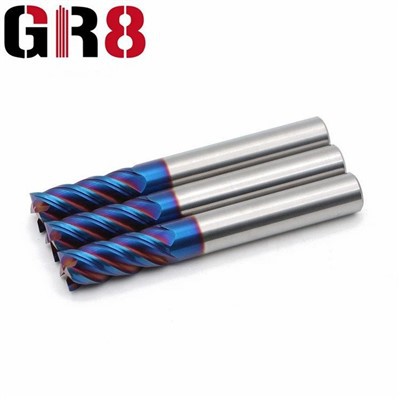
As a reputable supplier of long neck end mills, I'm often asked about the maintenance requirements for these essential cutting tools. Long neck end mills are widely used in various industries, including aerospace, automotive, and mold making, due to their ability to reach deep cavities and produce accurate machining results. Proper maintenance is crucial to ensure the longevity and optimal performance of these tools. In this blog post, I will delve into the key maintenance requirements for long neck end mills and provide practical tips to help you keep your tools in top condition.
Understanding the Construction of Long Neck End Mills
Before discussing the maintenance requirements, it's important to understand the basic construction of long neck end mills. A typical long neck end mill consists of a shank, a neck, and a cutting end. The shank is the part that is held in the tool holder, while the neck provides the necessary length to reach deep into the workpiece. The cutting end, which includes the flutes and the cutting edges, is responsible for removing material from the workpiece.
The materials used in the construction of long neck end mills can vary, but high-speed steel (HSS) and carbide are the most common. HSS end mills are cost-effective and suitable for general-purpose machining, while carbide end mills offer superior hardness, wear resistance, and heat resistance, making them ideal for high-speed and high-precision machining applications.
Cleaning and Storage
One of the simplest yet most important maintenance tasks for long neck end mills is regular cleaning. After each use, it's essential to remove any chips, debris, and coolant from the tool. This can be done using a soft brush or compressed air. It's important to be gentle when cleaning the cutting edges to avoid damaging them.
Once the tool is clean, it should be dried thoroughly to prevent rust and corrosion. You can use a clean, dry cloth to wipe the tool or let it air dry. After drying, the end mill should be stored in a clean, dry place. A tool cabinet or a dedicated tool storage rack is ideal for this purpose. It's also a good idea to protect the cutting edges of the tool by using a protective cap or sheath.
Inspection for Wear and Damage
Regular inspection is another crucial aspect of maintaining long neck end mills. Before using the tool, it's important to inspect it for any signs of wear or damage. Look for chipped or broken cutting edges, excessive wear on the flutes, or any other visible damage. If you notice any issues, the tool should not be used and should be replaced immediately.
In addition to visual inspection, you can also use a tool microscope or a gauge to measure the wear on the cutting edges. This can help you determine when the tool needs to be replaced or re-sharpened. As a general rule of thumb, if the wear on the cutting edges exceeds 0.1 mm, the tool should be re-sharpened or replaced.
Re-sharpening
Re-sharpening is an important maintenance task that can extend the life of your long neck end mills. However, it's important to note that re-sharpening should only be done by a professional or using a high-quality sharpening machine. Incorrect re-sharpening can damage the tool and affect its performance.
When re-sharpening a long neck end mill, it's important to maintain the original geometry of the tool. This includes the rake angle, clearance angle, and helix angle. Any changes in these angles can affect the cutting performance of the tool and lead to poor machining results.
Proper Use and Handling
Proper use and handling of long neck end mills are also essential for their maintenance. When using the tool, it's important to follow the manufacturer's recommendations regarding cutting speed, feed rate, and depth of cut. Using the tool at excessive speeds or feeds can cause premature wear and damage to the cutting edges.
It's also important to avoid overloading the tool. Long neck end mills are designed to handle a certain amount of cutting force, and exceeding this limit can cause the tool to break or chip. If you encounter excessive resistance while machining, it's important to stop the operation and check for any issues.
In addition to proper use, it's also important to handle the tool with care. Avoid dropping the tool or hitting it against hard surfaces, as this can cause damage to the cutting edges. When installing or removing the tool from the tool holder, it's important to use the proper tools and follow the correct procedure.


Lubrication and Coolant
Using the right lubrication and coolant is another important aspect of maintaining long neck end mills. Lubrication helps to reduce friction between the tool and the workpiece, which can improve the cutting performance and extend the life of the tool. Coolant, on the other hand, helps to remove heat from the cutting zone, which can prevent the tool from overheating and wearing out prematurely.
There are various types of lubricants and coolants available on the market, and the choice of lubricant or coolant depends on the material being machined, the cutting conditions, and the type of tool being used. It's important to follow the manufacturer's recommendations regarding the use of lubricants and coolants to ensure optimal performance and tool life.
2 Flutes Ball Nose Long Neck End Mill
As a supplier, we offer a wide range of long neck end mills, including the 2 Flutes Ball Nose Long Neck End Mill. This type of end mill is designed for finishing operations and can produce smooth, curved surfaces. It features two flutes and a ball nose, which allows for efficient chip evacuation and precise cutting.
The 2 Flutes Ball Nose Long Neck End Mill is made from high-quality carbide, which provides excellent hardness, wear resistance, and heat resistance. This makes it suitable for a variety of materials, including aluminum, steel, and titanium. Whether you're working on a small-scale project or a large-scale production, this end mill can help you achieve the best results.
Conclusion
In conclusion, proper maintenance is essential for ensuring the longevity and optimal performance of long neck end mills. By following the tips outlined in this blog post, you can keep your tools in top condition and avoid costly downtime. Remember to clean and store your tools properly, inspect them regularly for wear and damage, re-sharpen them when necessary, use them correctly, and use the right lubrication and coolant.
If you have any questions about the maintenance requirements for long neck end mills or if you're interested in purchasing high-quality long neck end mills, please don't hesitate to contact us. We're here to help you find the right tools for your needs and provide you with the support and advice you need to keep your tools in top condition.
References
- "Tool Maintenance Guide," Machining Technology Association.
- "Carbide End Mill Handbook," Cutting Tool Manufacturers Association.
- "High-Speed Steel Tools: Properties and Applications," Metalworking Industries Research Institute.