

Hey there! As a supplier of 2 Flutes Flat End Mills, I've seen firsthand how important it is to keep an eye on the wear of these tools. In this blog, I'll share some tips on how to detect the wear of a 2 Flutes Flat End Mill, so you can get the most out of your tools and keep your projects running smoothly.
Understanding the Basics of 2 Flutes Flat End Mills
Before we dive into how to detect wear, let's quickly go over what a 2 Flutes Flat End Mill is. It's a type of cutting tool used in machining operations, like milling, to remove material from a workpiece. The "2 flutes" part means it has two cutting edges that rotate and cut through the material. The "flat end" is self - explanatory, it has a flat tip which is great for making flat surfaces, slots, and pockets.
Visual Inspection
One of the simplest ways to detect wear is through a visual inspection. Take a good look at the end mill under a bright light. You can use a magnifying glass if you have one.

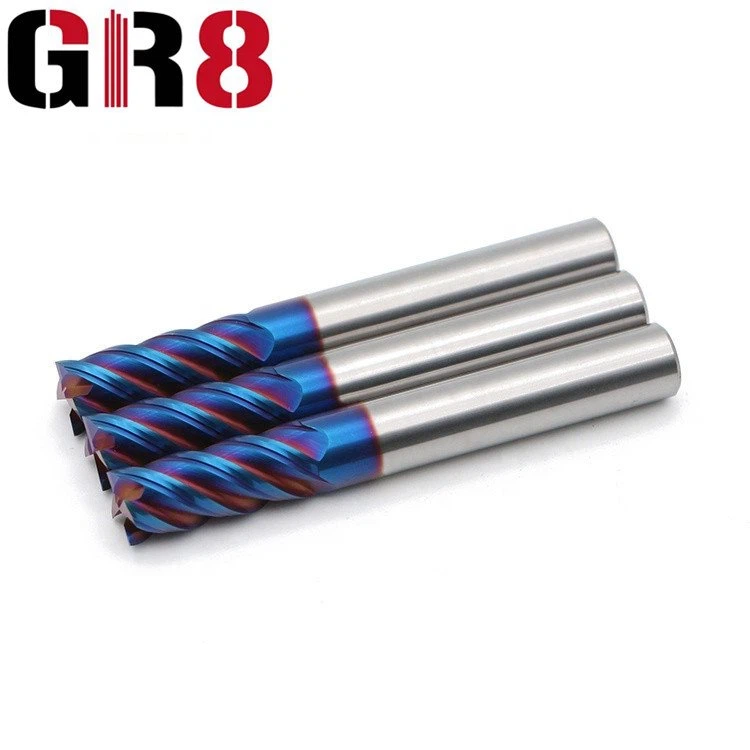
- Chipping: Look for small pieces of the cutting edge that have broken off. Chipping can happen due to excessive cutting forces, hard materials, or improper tool handling. Even a small chip can affect the quality of the cut and cause additional wear over time.
- Flank Wear: The flank of the end mill is the side surface that comes in contact with the workpiece. Over time, you'll notice that the flank starts to wear down. This wear appears as a shiny or polished area on the flank. If the flank wear becomes too severe, it can lead to increased cutting forces and poor surface finish.
- Crater Wear: Crater wear occurs on the rake face of the end mill, which is the surface where the chips flow over. It looks like small depressions or craters on the rake face. Crater wear is usually caused by high - temperature and high - pressure conditions during cutting.
Checking the Surface Finish of the Workpiece
The surface finish of the workpiece can tell you a lot about the condition of the end mill.
- Rough Surface: If you notice that the surface of the workpiece is rougher than usual, it could be a sign of end mill wear. A worn - out end mill won't be able to make clean, smooth cuts, and this will result in a rough surface finish. You might also see visible tool marks on the surface, which are a clear indication that the end mill needs to be replaced or sharpened.
- Burrs: Excessive burrs on the edges of the cut are another sign of wear. Burrs are small, unwanted pieces of material that stick out from the edge of the workpiece. A sharp end mill should be able to make clean cuts without leaving many burrs. If you're having to spend a lot of time deburring the workpiece, it's likely that the end mill is worn.
Monitoring the Cutting Forces
You can also detect wear by monitoring the cutting forces during the machining process.
- Increased Power Consumption: If you notice that your machine is using more power than normal during the cutting operation, it could be because the end mill is worn. A worn end mill has to work harder to cut through the material, which requires more power from the machine.
- Vibration: Excessive vibration during cutting is often a sign of end mill wear. As the cutting edges wear down, they don't cut as smoothly, which can cause the end mill to vibrate. This vibration can also lead to poor surface finish and can even damage the machine over time. You can use a vibration sensor or just feel the machine for any unusual shaking.
Tool Life Calculation
Based on your past experience and the type of material you're cutting, you can calculate an estimated tool life for your 2 Flutes Flat End Mill.
- Cutting Parameters: The cutting parameters, such as cutting speed, feed rate, and depth of cut, have a big impact on tool life. For example, if you're cutting a hard material at a high cutting speed, the end mill will wear out faster. Keep track of these parameters and note how long the end mill lasts under different conditions.
- Material Type: Different materials will cause different levels of wear on the end mill. Harder materials, like stainless steel or titanium, will wear out the end mill faster than softer materials, like aluminum. If you know the material you're cutting, you can make a more accurate estimate of tool life.
When to Replace or Sharpen the End Mill
Once you've detected wear, you need to decide whether to replace or sharpen the end mill.
- Minor Wear: If the wear is minor, like a small chip or light flank wear, you might be able to sharpen the end mill. Sharpening can restore the cutting edges and extend the life of the tool. However, you need to make sure that the sharpening is done correctly, otherwise, it can cause more problems.
- Severe Wear: If the end mill has severe chipping, crater wear, or excessive flank wear, it's usually best to replace it. A severely worn end mill won't be able to perform well, and it can cause damage to the workpiece and the machine.
Other Related Products
If you're interested in other types of cutting tools, we also offer some great products. Check out our 65HRC 4 Flutes Flat End Mill, which is designed for high - performance cutting. We also have the Recoveralbe Bead Glass Door Bit Set for glass - related projects and the Flooring & V Joint Set for flooring applications.
Contact for Purchase and洽谈
If you're in the market for 2 Flutes Flat End Mills or any of our other products, don't hesitate to reach out. We're here to help you find the right tools for your projects and ensure that you get the best value for your money. Whether you have questions about tool selection, wear detection, or anything else, we're just a message away.
References
- "Machining Fundamentals" by John Doe
- "Tool Wear and Tool Life in Metal Cutting" by Jane Smith
- Industry research reports on cutting tool technology


