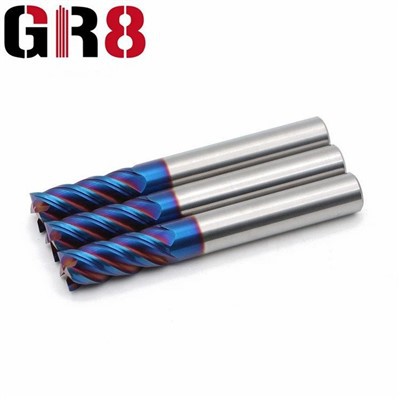
Optimizing the surface finish when using a flat milling cutter is a crucial aspect of machining operations. As a trusted flat milling cutter supplier, I understand the challenges and requirements that manufacturers face in achieving high - quality surface finishes. In this blog, I will share some valuable insights and practical tips to help you optimize the surface finish during your flat milling processes.
Understanding the Basics of Flat Milling Cutters
Before delving into the optimization techniques, it's essential to have a clear understanding of flat milling cutters. These cutters are commonly used in milling operations to remove material from a workpiece and create flat surfaces. They come in various sizes, geometries, and materials, each designed for specific applications.
The performance of a flat milling cutter depends on several factors, including the cutter's geometry, material, coating, and the cutting parameters. For instance, the number of flutes on a flat milling cutter affects the chip load and the surface finish. Cutters with more flutes generally produce a smoother surface finish because they distribute the cutting forces more evenly and remove smaller chips at each pass.
Selecting the Right Flat Milling Cutter
The first step in optimizing the surface finish is to select the right flat milling cutter for your application. Consider the following factors when making your selection:
- Material Compatibility: Different materials require different types of cutters. For example, when milling aluminum, a high - speed steel (HSS) cutter may be sufficient. However, for harder materials like stainless steel or titanium, a carbide cutter is often a better choice due to its superior hardness and wear resistance.
- Cutter Geometry: The geometry of the cutter, such as the rake angle, clearance angle, and helix angle, can significantly impact the surface finish. A positive rake angle reduces the cutting force and can improve the surface finish, but it may also reduce the cutter's strength. On the other hand, a negative rake angle increases the cutter's strength but may result in a rougher surface finish.
- Coating: Coated cutters can provide better wear resistance and reduce friction, which can lead to a smoother surface finish. Common coatings include titanium nitride (TiN), titanium carbonitride (TiCN), and aluminum titanium nitride (AlTiN).
As a flat milling cutter supplier, we offer a wide range of cutters, including the Ogee Door Frame Bit Set, Door Frame Bit Set, and Recoveralbe Bead Glass Door Bit Set, which are designed to meet various machining requirements.
Optimizing Cutting Parameters
Once you have selected the right flat milling cutter, the next step is to optimize the cutting parameters. The following parameters play a crucial role in achieving a high - quality surface finish:
- Cutting Speed: The cutting speed is the speed at which the cutter moves relative to the workpiece. A higher cutting speed generally results in a better surface finish, but it also increases the heat generated during the cutting process. Therefore, it's important to find the optimal cutting speed for your material and cutter. You can refer to the cutter manufacturer's recommendations or use cutting speed calculators to determine the appropriate speed.
- Feed Rate: The feed rate is the rate at which the workpiece moves relative to the cutter. A lower feed rate can produce a smoother surface finish because it allows the cutter to remove smaller chips at each pass. However, a very low feed rate can also increase the machining time and may cause the cutter to wear out faster.
- Depth of Cut: The depth of cut is the amount of material removed in each pass. A smaller depth of cut can improve the surface finish because it reduces the cutting force and the amount of material deformation. However, multiple passes with a small depth of cut may increase the machining time.
Workholding and Fixturing
Proper workholding and fixturing are essential for achieving a good surface finish. A workpiece that is not securely held can vibrate during the milling process, which can lead to a rough surface finish. Here are some tips for workholding and fixturing:
- Use the Right Fixture: Select a fixture that is appropriate for the shape and size of your workpiece. The fixture should provide sufficient support and prevent the workpiece from moving or vibrating during the milling process.
- Check the Fixture's Alignment: Ensure that the fixture is properly aligned with the milling machine's spindle. Misalignment can cause uneven cutting and a poor surface finish.
- Apply Adequate Clamping Force: The clamping force should be sufficient to hold the workpiece securely but not too high to cause deformation.
Coolant and Lubrication
Coolant and lubrication play a vital role in optimizing the surface finish. They help to reduce the heat generated during the cutting process, flush away chips, and reduce friction between the cutter and the workpiece. Here are some guidelines for using coolant and lubrication:
- Select the Right Coolant: Different materials and cutting operations require different types of coolants. For example, water - soluble coolants are commonly used for general machining operations, while oil - based coolants are better suited for high - speed and heavy - duty cutting.
- Apply the Coolant Properly: The coolant should be applied directly to the cutting zone to ensure effective cooling and lubrication. You can use flood coolant systems, mist coolant systems, or through - tool coolant systems, depending on your application.
- Monitor the Coolant's Concentration and Condition: Regularly check the coolant's concentration and condition to ensure its effectiveness. A coolant that is too diluted or contaminated can reduce its cooling and lubricating properties.
Tool Maintenance
Proper tool maintenance is crucial for achieving a consistent surface finish. A worn - out or damaged cutter can produce a rough surface finish and may also cause other machining problems. Here are some tips for tool maintenance:


- Inspect the Cutter Regularly: Check the cutter for signs of wear, such as chipping, dulling, or excessive wear on the cutting edges. Replace the cutter if it is worn beyond the recommended limits.
- Sharpen the Cutter Properly: If the cutter can be sharpened, use a proper sharpening tool and follow the manufacturer's instructions. Improper sharpening can damage the cutter and affect the surface finish.
- Store the Cutter Correctly: Store the cutters in a clean, dry place to prevent rust and corrosion. Use protective cases or holders to prevent damage to the cutting edges.
Conclusion
Optimizing the surface finish when using a flat milling cutter requires a combination of the right cutter selection, optimized cutting parameters, proper workholding and fixturing, effective coolant and lubrication, and regular tool maintenance. By following the tips and guidelines outlined in this blog, you can significantly improve the surface finish of your machined parts and enhance the overall quality of your products.
As a flat milling cutter supplier, we are committed to providing high - quality cutters and technical support to help you achieve the best results in your machining operations. If you have any questions or need assistance in selecting the right flat milling cutter for your application, please feel free to contact us for a procurement discussion. We look forward to working with you to optimize your machining processes and improve your surface finishes.
References
- "Machining Handbook" by Industrial Press Inc.
- "Cutting Tool Engineering" magazine articles on flat milling cutter optimization.
- Manufacturer's technical data sheets for flat milling cutters.