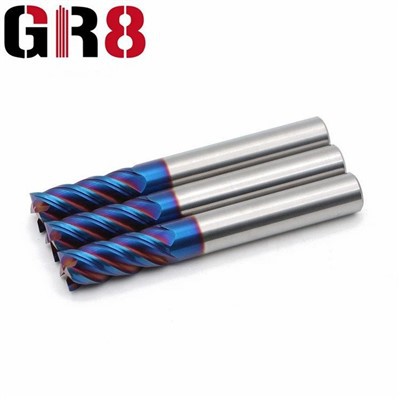
As a supplier of carbide flat cutters, I understand the critical role that cutting temperature plays in the performance and longevity of these tools. High cutting temperatures can lead to a variety of issues, including tool wear, reduced cutting quality, and even tool failure. In this blog post, I will share some effective strategies to reduce the cutting temperature of carbide flat cutters, based on my years of experience in the industry.
Understanding the Causes of High Cutting Temperatures
Before we delve into the solutions, it's important to understand the factors that contribute to high cutting temperatures. The primary causes include:
- High cutting speed: When the cutting speed is too high, the friction between the cutter and the workpiece increases, generating more heat.
- Large feed rate: A large feed rate means that the cutter is removing more material per revolution, which also increases the heat generated.
- Insufficient coolant: Coolant helps to dissipate heat and reduce friction. If the coolant is not applied properly or is of low quality, the cutting temperature will rise.
- Dull cutter: A dull cutter requires more force to cut through the material, resulting in increased heat generation.
- Hard workpiece material: Cutting hard materials such as 55HRC 4 Flutes Flat End Mill can generate more heat due to the higher resistance.
Strategies to Reduce Cutting Temperature
Optimize Cutting Parameters
- Adjust cutting speed: One of the most effective ways to reduce cutting temperature is to optimize the cutting speed. By reducing the cutting speed, you can decrease the friction between the cutter and the workpiece, thereby reducing heat generation. However, it's important to find the right balance, as too low a cutting speed can also lead to poor cutting performance.
- Control feed rate: Similar to cutting speed, the feed rate should be adjusted to an appropriate level. A lower feed rate will reduce the amount of material removed per revolution, resulting in less heat generation. Again, it's crucial to ensure that the feed rate is not too low to maintain an efficient cutting process.
Use High - Quality Coolant
- Select the right coolant: There are different types of coolants available, such as water - based coolants, oil - based coolants, and synthetic coolants. Each type has its own advantages and disadvantages. Water - based coolants are generally more cost - effective and have good cooling properties, while oil - based coolants provide better lubrication. Choose a coolant that is suitable for the specific cutting application.
- Proper coolant application: Ensure that the coolant is applied directly to the cutting zone. This can be achieved through various methods, such as flood cooling, mist cooling, or through - tool coolant delivery. The proper application of coolant helps to effectively dissipate heat and reduce friction.
Maintain and Sharpen the Cutter
- Regular inspection: Inspect the carbide flat cutter regularly for signs of wear and damage. Dull cutters can cause a significant increase in cutting temperature. If any signs of wear are detected, the cutter should be sharpened or replaced promptly.
- Proper sharpening: When sharpening the cutter, use the correct sharpening techniques and tools. Improper sharpening can damage the cutter and reduce its performance. It's advisable to have the cutter sharpened by a professional or use high - quality sharpening equipment.
Improve Workpiece Preparation
- Pre - machining: For hard workpiece materials, pre - machining can be beneficial. This involves reducing the hardness of the material through processes such as annealing or heat treatment before the final cutting operation. By reducing the hardness, the cutting forces and heat generation during the main cutting process can be significantly reduced.
- Surface finish: A smooth workpiece surface can also help to reduce cutting temperature. Rough surfaces can cause more friction between the cutter and the workpiece, leading to increased heat. Ensure that the workpiece surface is properly prepared before cutting.
Consider Special Cutter Designs
- Advanced geometries: Some carbide flat cutters are designed with advanced geometries that can improve cutting performance and reduce heat generation. For example, cutters with variable helix angles or variable pitch can help to reduce vibration and improve chip evacuation, which in turn reduces cutting temperature.
- Coatings: Cutter coatings can provide several benefits, including increased hardness, reduced friction, and improved heat resistance. Coatings such as TiN (Titanium Nitride), TiAlN (Titanium Aluminum Nitride), and DLC (Diamond - Like Carbon) can be applied to the carbide flat cutter to enhance its performance and reduce cutting temperature.
Case Studies
Let's take a look at a couple of case studies to illustrate the effectiveness of these strategies.
Case 1: Cutting a Hard Steel Workpiece


A customer was using a standard carbide flat cutter to cut a 55HRC 4 Flutes Flat End Mill workpiece. The cutting temperature was extremely high, leading to rapid tool wear and poor surface finish. After implementing the following strategies:
- Reducing the cutting speed by 20%
- Switching to a high - quality water - based coolant with proper flood cooling
- Sharpening the cutter regularly
The cutting temperature was significantly reduced. The tool life increased by 30%, and the surface finish of the workpiece improved.
Case 2: Machining a Door Frame
A manufacturer was using a Door Frame Bit Set to machine door frames. They were experiencing high cutting temperatures and frequent tool breakage. By upgrading to an Ogee Door Frame Bit Set with an advanced geometry and a TiAlN coating, and adjusting the cutting parameters to an optimal level, the cutting temperature was reduced. This led to a 40% increase in tool life and a more efficient machining process.
Conclusion
Reducing the cutting temperature of carbide flat cutters is essential for improving tool performance, extending tool life, and ensuring high - quality cutting results. By optimizing cutting parameters, using high - quality coolant, maintaining and sharpening the cutter, improving workpiece preparation, and considering special cutter designs, you can effectively manage the cutting temperature.
If you are interested in our carbide flat cutters or have any questions about reducing cutting temperatures, I encourage you to reach out to us to discuss your specific needs and explore potential purchasing opportunities. We are always ready to provide you with professional advice and high - quality products.
References
- Smith, J. (2018). "Advanced Machining Techniques for Carbide Tools". Machining Journal.
- Johnson, A. (2019). "Coolant Selection and Application in Metal Cutting". Industrial Engineering Review.
- Brown, C. (2020). "Cutter Geometry and Its Impact on Cutting Performance". Manufacturing Technology Magazine.