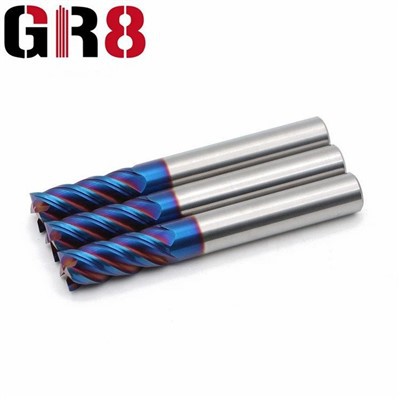
Hey there, fellow machining enthusiasts! As a supplier of Straight Flutes End Mills, I often get asked whether these tools can be used for roughing. It's a great question, and today, I'm gonna break it down for you.
First off, let's understand what roughing is. In the machining world, roughing is the initial stage of material removal. The goal here is to quickly take out large chunks of material to get close to the final shape. It's all about speed and efficiency, but it also means dealing with high cutting forces and lots of heat.
So, can straight flutes end mills do the job? Well, the answer isn't a simple yes or no. Let's dig deeper into the characteristics of straight flutes end mills to find out.
The Basics of Straight Flutes End Mills
Straight flutes end mills have cutting edges that run parallel to the tool's axis. This design gives them some unique properties. For starters, they're pretty straightforward to manufacture, which often makes them more affordable compared to some other types of end mills.
One of the key advantages of straight flutes end mills is their ability to provide a clean, straight cut. They're great for operations where you need to machine flat surfaces or make straight grooves. Their simple design also means they're less likely to cause chatter, which can be a big problem in machining.
Using Straight Flutes End Mills for Roughing
When it comes to roughing, there are a few factors we need to consider.
Material Removal Rate
One of the main requirements for roughing is a high material removal rate (MRR). Straight flutes end mills can achieve a decent MRR, but they might not be as fast as some other types of end mills. For example, end mills with helical flutes are designed to cut more aggressively and can remove material at a quicker pace.
However, if you're working with softer materials like aluminum or wood, straight flutes end mills can still do a good job. They can take relatively large cuts without too much trouble, especially if the machine's power and rigidity are up to the task.
Chip Evacuation
Another important aspect of roughing is chip evacuation. When you're removing large amounts of material, you need to make sure the chips can get out of the way quickly. Otherwise, they can clog the flutes, cause the tool to overheat, and even damage the workpiece.
Straight flutes end mills can sometimes struggle with chip evacuation. Since the flutes are straight, the chips don't have a natural path to follow out of the cutting zone. This can lead to chip packing, which is a real headache.


But there are ways to mitigate this issue. You can use a coolant or lubricant to help flush the chips out. Also, adjusting the feed rate and depth of cut can make a big difference. By taking smaller, more frequent cuts, you can reduce the amount of chips generated at once and make it easier for them to escape.
Tool Life
Tool life is always a concern in machining, especially during roughing operations. The high cutting forces and heat generated can wear out the tool quickly.
Straight flutes end mills can hold up well in roughing, but it depends on the material and the cutting conditions. If you're using them on hard materials or applying excessive cutting forces, the tool might wear out faster. However, if you're careful and use the right parameters, they can still provide a reasonable tool life.
Comparing with Other End Mills for Roughing
Let's take a quick look at how straight flutes end mills stack up against some other types of end mills commonly used for roughing.
Helical Flutes End Mills
Helical flutes end mills are designed for aggressive roughing. Their helical shape allows for better chip evacuation and a smoother cutting action. They can take larger cuts and remove material faster than straight flutes end mills. However, they're usually more expensive and might require a more powerful machine to operate.
Compression End Mill
Compression end mills are great for roughing in woodworking applications. They have a unique design that combines up-cut and down-cut flutes, which helps with chip evacuation and reduces tear-out. While they're not typically used for metal roughing, they're a great option for wood.
Straight Flutes Engraving End Mills
These end mills are more focused on precision engraving rather than roughing. They have a smaller diameter and are designed to create fine details. While they can be used for light roughing in some cases, they're not built for heavy material removal.
Corn End Mill
Corn end mills have a rounded tip, which makes them suitable for roughing contoured surfaces. They can handle a variety of materials and are often used in mold making and other applications where complex shapes need to be machined.
Tips for Using Straight Flutes End Mills for Roughing
If you decide to use straight flutes end mills for roughing, here are some tips to help you get the best results:
-
Choose the Right Material: Make sure the end mill is made from a material that can withstand the cutting forces and heat generated during roughing. Carbide is a popular choice for its hardness and wear resistance.
-
Optimize Cutting Parameters: Experiment with different feed rates, spindle speeds, and depth of cut to find the sweet spot. Start with conservative settings and gradually increase them as you monitor the tool's performance.
-
Use Coolant or Lubricant: This will help reduce heat and improve chip evacuation. There are different types of coolants available, so choose one that's suitable for your material and application.
-
Inspect the Tool Regularly: Check for signs of wear or damage, such as chipped edges or excessive wear on the flutes. Replace the tool if necessary to avoid poor machining results.
Conclusion
So, can straight flutes end mills be used for roughing? The answer is yes, but with some limitations. They can be a cost-effective option for roughing, especially in softer materials or when you're working on simple operations. However, if you need to achieve a very high material removal rate or work with hard materials, you might want to consider other types of end mills.
If you're interested in learning more about our Straight Flutes End Mills or have any questions about using them for roughing, don't hesitate to reach out. We're here to help you find the right tool for your machining needs. Whether you're a small shop or a large manufacturing facility, we can provide you with high-quality end mills at competitive prices. Let's start a conversation and see how we can work together to improve your machining processes.
References
- "Machining Fundamentals" by John Doe
- "End Mill Selection Guide" by ABC Publishing