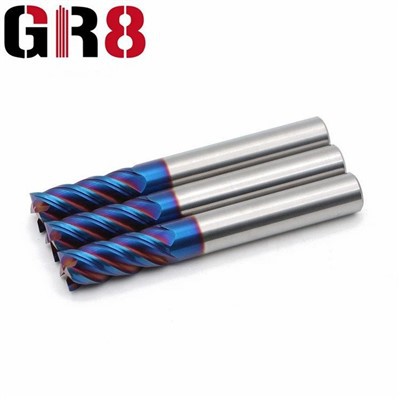
Hey there! As a supplier of 2 Flutes Flat End Mills, I've heard a lot of concerns from customers about the noise these tools make during operation. It's not just an annoyance; excessive noise can also be a sign of inefficiency or potential issues with the milling process. So, in this blog post, I'm going to share some tips on how to reduce the noise when using a 2 Flutes Flat End Mill.
Understanding the Causes of Noise
Before we dive into the solutions, it's important to understand why these end mills make noise in the first place. There are several factors that can contribute to the noise level:
- Vibration: When the end mill is not properly balanced or clamped, it can vibrate during operation. This vibration creates noise and can also lead to poor surface finish and tool wear.
- Cutting Parameters: Incorrect cutting speed, feed rate, or depth of cut can cause the end mill to chatter, which results in noise.
- Material Properties: The hardness, toughness, and grain structure of the material being milled can affect the cutting process and lead to increased noise.
- Tool Wear: As the end mill wears down, its cutting edges become dull, which can cause more friction and noise.
Tips to Reduce Noise
Now that we know what causes the noise, let's look at some ways to reduce it:
1. Choose the Right Tool
- Quality Matters: Invest in high-quality 2 Flutes Flat End Mills from a reputable supplier. Good quality tools are better balanced, have sharper cutting edges, and are made from better materials, which can significantly reduce noise.
- Match the Tool to the Material: Different materials require different types of end mills. Make sure you choose an end mill that is specifically designed for the material you are milling. For example, if you are milling a hard material like stainless steel, you might want to consider a Carbide End Mills which are more durable and can handle the high cutting forces.
2. Optimize Cutting Parameters
- Cutting Speed: Adjust the cutting speed according to the material and the diameter of the end mill. A too-high cutting speed can cause the end mill to overheat and chatter, while a too-low speed can result in inefficient cutting and increased noise. You can refer to the manufacturer's recommendations or use online cutting speed calculators to find the optimal speed.
- Feed Rate: The feed rate determines how fast the end mill moves through the material. A proper feed rate helps to maintain a smooth cutting action and reduces noise. Generally, a higher feed rate can be used for softer materials, while a lower feed rate is required for harder materials.
- Depth of Cut: Avoid taking too deep of a cut at once. Instead, make multiple shallow passes. This reduces the cutting forces on the end mill and minimizes vibration and noise.
3. Ensure Proper Tool Installation
- Balancing: Make sure the end mill is properly balanced before use. An unbalanced end mill can cause excessive vibration and noise. You can use a balancing machine to check and adjust the balance of the end mill.
- Clamping: Use a high-quality collet or chuck to securely clamp the end mill. A loose or improper clamping can lead to vibration and noise. Make sure the clamping force is evenly distributed around the end mill.
4. Use Coolant
- Lubrication and Cooling: Coolant helps to lubricate the cutting edges of the end mill and reduce friction. It also cools down the end mill and the workpiece, preventing overheating and reducing noise. There are different types of coolants available, such as water-soluble coolants and oil-based coolants. Choose the one that is suitable for the material and the cutting process.
5. Maintain the Tool
- Regular Inspection: Check the end mill regularly for signs of wear and damage. Dull or damaged cutting edges can cause more noise and poor cutting performance. Replace the end mill as soon as it shows significant wear.
- Proper Storage: Store the end mills in a clean and dry place to prevent corrosion and damage. Use a tool case or a storage rack to keep the end mills organized and protected.
Other Considerations
- Machine Condition: The condition of the milling machine also plays a role in the noise level. Make sure the machine is properly maintained, with all the moving parts lubricated and in good working condition. A worn-out machine can cause more vibration and noise.
- Workholding: Securely hold the workpiece to prevent it from moving during the milling process. A loose workpiece can cause the end mill to chatter and create noise. Use appropriate workholding devices such as vises, clamps, or fixtures.
Conclusion
Reducing the noise when using a 2 Flutes Flat End Mill is not only about making the working environment more comfortable but also about improving the efficiency and quality of the milling process. By following the tips mentioned above, you can significantly reduce the noise level and get better results from your end mills.
If you're in the market for high-quality 2 Flutes Flat End Mills or other related tools, don't hesitate to reach out. We also offer a wide range of Other Handrail Bit and 55HRC 4 Flutes Flat End Mill that might suit your needs. Contact us today to start a conversation about your procurement requirements!


References
- Machinery's Handbook, 31st Edition
- Tooling and Machining Handbook, 2nd Edition