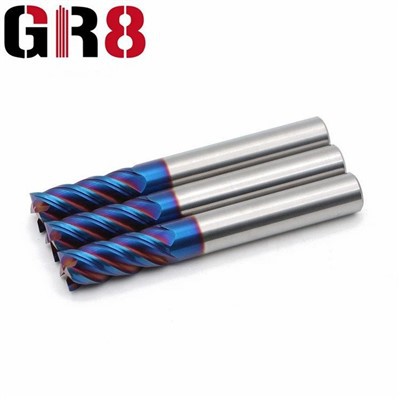
When it comes to machining operations, selecting the right cutting parameters for a square carbide cutter is crucial for achieving optimal results. As a leading square carbide cutter supplier, we understand the importance of providing our customers with the knowledge and guidance they need to make informed decisions. In this blog post, we will explore the cutting parameters for square carbide cutters on different materials, including metals, plastics, and composites.
Cutting Parameters Basics
Before diving into the specific cutting parameters for different materials, let's first understand the basic concepts. Cutting parameters typically include cutting speed, feed rate, and depth of cut. These parameters are interdependent and need to be carefully selected based on the material being machined, the cutter geometry, and the machine tool capabilities.
- Cutting Speed (Vc): This is the speed at which the cutting edge of the tool moves relative to the workpiece. It is usually measured in meters per minute (m/min) or surface feet per minute (SFM). A higher cutting speed generally results in faster material removal but may also increase tool wear.
- Feed Rate (f): The feed rate is the distance the tool advances into the workpiece per revolution or per tooth. It is measured in millimeters per revolution (mm/rev) or inches per tooth (IPT). A higher feed rate can increase productivity but may also lead to poor surface finish and increased cutting forces.
- Depth of Cut (ap): The depth of cut is the thickness of the material removed in a single pass. It is measured in millimeters (mm) or inches (in). A larger depth of cut can remove more material in one pass but may require more power and increase the risk of tool breakage.
Cutting Parameters for Metals
Metals are one of the most commonly machined materials, and different metals have different properties that affect the cutting parameters. Here are some general guidelines for cutting parameters when using a square carbide cutter on common metals:
Aluminum
Aluminum is a soft and ductile metal that is relatively easy to machine. For aluminum alloys, a high cutting speed and feed rate can be used to achieve efficient material removal. A typical cutting speed for aluminum can range from 300 - 600 m/min (1000 - 2000 SFM), and a feed rate of 0.1 - 0.3 mm/tooth (0.004 - 0.012 IPT) is often recommended. The depth of cut can be up to 3 - 5 mm (0.12 - 0.20 in) depending on the cutter diameter and machine capabilities. Our 65HRC 4 Flutes Flat End Mill is well - suited for machining aluminum due to its high hardness and sharp cutting edges.


Steel
Steel is a harder and stronger metal compared to aluminum. The cutting parameters for steel depend on its carbon content and hardness. For mild steel, a cutting speed of 100 - 300 m/min (330 - 1000 SFM) and a feed rate of 0.05 - 0.2 mm/tooth (0.002 - 0.008 IPT) are common. The depth of cut can be around 1 - 3 mm (0.04 - 0.12 in). When machining high - strength steel or hardened steel, lower cutting speeds and feed rates are required to avoid excessive tool wear. For example, for steel with a hardness of 40 - 50 HRC, the cutting speed may need to be reduced to 30 - 100 m/min (100 - 330 SFM).
Stainless Steel
Stainless steel is known for its corrosion resistance but is also more difficult to machine than mild steel. It has a tendency to work - harden during machining, which can increase tool wear. A cutting speed of 50 - 150 m/min (160 - 500 SFM) and a feed rate of 0.05 - 0.15 mm/tooth (0.002 - 0.006 IPT) are typical for stainless steel. The depth of cut should be kept relatively small, around 0.5 - 2 mm (0.02 - 0.08 in). Our 2 Flutes Flat End Mill can be a good choice for machining stainless steel as it provides better chip evacuation.
Cutting Parameters for Plastics
Plastics have different machining characteristics compared to metals. They are generally softer and have lower melting points. When machining plastics, the main goal is to avoid melting and chipping of the material.
Acrylic
Acrylic is a popular plastic material that is often used for signage and display applications. A relatively high cutting speed and low feed rate are recommended for acrylic. A cutting speed of 200 - 400 m/min (660 - 1300 SFM) and a feed rate of 0.05 - 0.15 mm/tooth (0.002 - 0.006 IPT) can be used. The depth of cut can be up to 2 - 3 mm (0.08 - 0.12 in). Using a sharp cutter is essential to achieve a smooth surface finish.
Polycarbonate
Polycarbonate is a strong and impact - resistant plastic. It has a higher melting point than acrylic. The cutting speed for polycarbonate can be in the range of 150 - 300 m/min (500 - 1000 SFM), and the feed rate can be 0.05 - 0.2 mm/tooth (0.002 - 0.008 IPT). The depth of cut should be limited to 1 - 2 mm (0.04 - 0.08 in) to prevent overheating.
Cutting Parameters for Composites
Composites are materials made up of two or more different materials, such as carbon fiber - reinforced polymers (CFRP) or glass fiber - reinforced polymers (GFRP). Machining composites requires special attention to avoid delamination and fiber pull - out.
CFRP
For CFRP, a high cutting speed and low feed rate are typically used. A cutting speed of 300 - 600 m/min (1000 - 2000 SFM) and a feed rate of 0.02 - 0.1 mm/tooth (0.0008 - 0.004 IPT) are common. The depth of cut should be kept small, around 0.5 - 1.5 mm (0.02 - 0.06 in). Our Flooring & V Joint Set can be used for certain composite machining applications where precise cutting is required.
GFRP
GFRP is less abrasive than CFRP but still requires careful selection of cutting parameters. A cutting speed of 200 - 400 m/min (660 - 1300 SFM) and a feed rate of 0.05 - 0.15 mm/tooth (0.002 - 0.006 IPT) are suitable. The depth of cut can be up to 1 - 2 mm (0.04 - 0.08 in).
Factors Affecting Cutting Parameters
In addition to the material being machined, there are other factors that can affect the cutting parameters:
- Cutter Geometry: The number of flutes, helix angle, and rake angle of the cutter can influence the cutting performance. For example, a cutter with more flutes can provide a better surface finish but may have reduced chip evacuation capabilities.
- Machine Tool Rigidity: A rigid machine tool can handle higher cutting forces and allow for more aggressive cutting parameters. If the machine is not rigid enough, vibration may occur, which can lead to poor surface finish and premature tool wear.
- Coolant and Lubrication: Using the right coolant or lubricant can improve tool life and surface finish. Coolants can help dissipate heat and flush away chips, while lubricants can reduce friction between the tool and the workpiece.
Conclusion and Call to Action
Selecting the right cutting parameters for a square carbide cutter on different materials is a complex but essential task. By understanding the properties of the materials, the basic cutting parameters, and the factors that affect them, you can achieve efficient and high - quality machining results.
As a professional square carbide cutter supplier, we are committed to providing our customers with the best products and technical support. If you have any questions about cutting parameters or need help in selecting the right cutter for your application, please feel free to contact us. We look forward to discussing your machining needs and helping you find the optimal solutions.
References
- Kalpakjian, S., & Schmid, S. R. (2009). Manufacturing Engineering and Technology. Pearson Prentice Hall.
- Trent, E. M., & Wright, P. K. (2000). Metal Cutting. Butterworth - Heinemann.