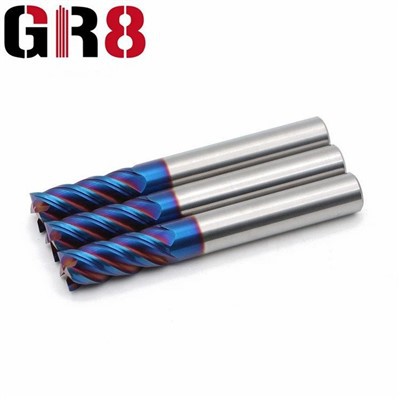
When it comes to the efficient use and longevity of square carbide cutters, proper storage is of utmost importance. As a trusted supplier of square carbide cutters, I understand the significance of providing guidance on the appropriate storage requirements to ensure that these valuable tools maintain their performance and quality over time.
Environmental Conditions
The first and most crucial aspect of storing square carbide cutters is the environment in which they are kept. Carbide is a hard and brittle material, and exposure to extreme conditions can lead to damage.
Temperature: The ideal temperature range for storing square carbide cutters is between 20°C and 25°C (68°F - 77°F). Fluctuations in temperature can cause the carbide to expand and contract, which may lead to micro - cracks in the cutter. High temperatures can also accelerate the oxidation process, especially if the cutters are not properly coated. On the other hand, extremely low temperatures can make the carbide more brittle and prone to chipping during handling.
Humidity: Humidity levels should be kept between 40% and 60%. High humidity can cause rust and corrosion on the metal parts of the cutter, such as the shank. Even if the carbide itself is resistant to corrosion, the presence of rust on the shank can affect the cutter's performance when it is mounted in a tool holder. In addition, moisture can seep into the microscopic pores of the carbide, potentially weakening its structure over time.
Protection from Physical Damage
Square carbide cutters are sharp and delicate tools that need to be protected from physical damage during storage.
Individual Packaging: Each cutter should be stored in its own protective case or sleeve. This prevents the cutters from coming into contact with each other, which can cause chipping or dulling of the cutting edges. For example, a plastic or foam - lined case can provide a cushioning effect and protect the cutter from accidental impacts.
Proper Racking or Shelving: When storing multiple cutters, they should be placed on a sturdy rack or shelf. The rack should be designed in a way that the cutters are held securely and do not fall or tip over. Avoid overcrowding the storage area, as this can increase the risk of damage during retrieval.
Avoiding Contamination
Contamination can significantly affect the performance of square carbide cutters.
Cleanliness: Before storing the cutters, they should be thoroughly cleaned to remove any chips, debris, or coolant residues. A clean cutter is less likely to develop corrosion and will maintain its cutting edge for a longer time. Use a soft brush or compressed air to clean the cutter, and avoid using abrasive materials that could scratch the carbide surface.
Storage in a Clean Area: The storage area should be free from dust, dirt, and other contaminants. If possible, the storage room should be a dedicated space with limited access to prevent unnecessary exposure to airborne particles.
Coating Preservation
Many square carbide cutters are coated to enhance their performance and durability. Proper storage is essential to preserve these coatings.
Avoiding Chemical Exposure: The cutters should be kept away from chemicals that could damage the coating. This includes solvents, acids, and alkalis. If the coating is damaged, the cutter may experience increased wear and reduced cutting performance.
Inspection: Regularly inspect the cutters for any signs of coating degradation. If any damage is detected, the cutter may need to be re - coated or replaced.
Specific Storage for Different Types of Square Carbide Cutters
Different types of square carbide cutters may have specific storage requirements.
Flooring & V Joint Set: These cutters are often used for precise cutting in flooring applications. Due to their specific shape and cutting requirements, they should be stored in a way that protects the V - joint and the flat cutting edges. A custom - designed case with individual compartments can be ideal for storing this set.
65HRC 4 Flutes Flat End Mill: With a high hardness rating of 65HRC, these cutters are very sharp but also more brittle. They should be stored in a shock - absorbing case to prevent any accidental impacts that could cause chipping.
Door Frame Bit Set: These cutters are designed for door frame cutting. They often have complex shapes, and proper storage is necessary to maintain their accuracy. A storage rack with slots or holders that match the shape of the cutters can help keep them in good condition.
Long - Term Storage
If the square carbide cutters are not going to be used for an extended period, additional precautions should be taken.
Desiccant Packets: Place desiccant packets in the storage container to absorb any moisture that may accumulate over time. This helps to maintain a low - humidity environment and prevent corrosion.
Regular Inspection: Even during long - term storage, the cutters should be inspected periodically. Check for any signs of damage, corrosion, or coating degradation. If any issues are found, take appropriate action immediately.
Conclusion
Proper storage of square carbide cutters is essential for maintaining their performance, extending their lifespan, and ensuring the quality of the cutting operations. By following the storage requirements outlined above, users can protect their investment in these valuable tools.
As a supplier of square carbide cutters, I am committed to providing high - quality products and comprehensive support to our customers. If you have any questions about the storage of our square carbide cutters or are interested in purchasing our products, please feel free to contact us for a detailed discussion. We look forward to helping you meet your cutting needs.


References
- Tooling Handbook: A Guide to Carbide Cutting Tools, Industry Publishing, 2020
- Precision Machining and Carbide Tool Technology, Academic Press, 2019