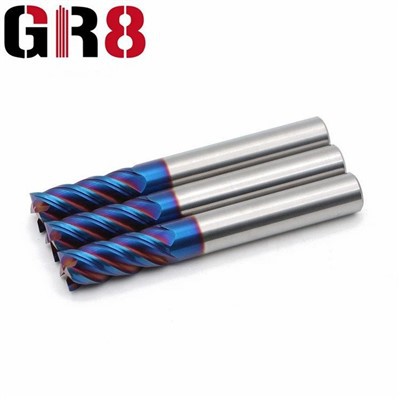
What is the flute length of one spiral flute bits?
As a supplier of One Spiral Flute Bits, I often encounter inquiries about the flute length of these specialized cutting tools. The flute length of a spiral flute bit is a crucial parameter that significantly impacts its performance and suitability for various applications. In this blog post, I will delve into the concept of flute length, its importance, and how it relates to the use of One Spiral Flute Bits.
Understanding Flute Length
The flute length of a spiral flute bit refers to the length of the helical groove or "flute" that runs along the body of the bit. This flute serves several important functions during the cutting process. Firstly, it provides a path for the chips generated during cutting to escape from the workpiece. As the bit rotates and cuts into the material, the chips are carried up the flute and out of the cutting area, preventing them from clogging the bit and interfering with the cutting action. Secondly, the flute also helps to guide the flow of coolant or lubricant to the cutting edge, which can improve the cutting performance and extend the life of the bit.
The flute length is typically measured from the tip of the bit to the point where the flute ends on the shank. It is an important dimension to consider when selecting a spiral flute bit, as it determines the maximum depth of cut that the bit can achieve. A longer flute length allows for deeper cuts, while a shorter flute length is more suitable for shallower cuts or applications where clearance is limited.
Importance of Flute Length
The flute length of a spiral flute bit has a direct impact on its cutting performance and efficiency. Here are some key reasons why flute length is important:
- Chip Evacuation: As mentioned earlier, the flute provides a path for the chips to escape from the cutting area. A longer flute length allows for more efficient chip evacuation, especially when cutting deep into the material. This helps to prevent chip clogging, which can lead to poor cutting quality, increased tool wear, and even tool breakage.
- Cutting Depth: The flute length determines the maximum depth of cut that the bit can achieve. If the flute length is too short for the desired cutting depth, the bit may not be able to remove the material effectively, resulting in a poor finish and reduced productivity. On the other hand, if the flute length is too long, it may cause the bit to become unstable or prone to deflection, leading to inaccurate cuts.
- Tool Rigidity: The flute length also affects the rigidity of the bit. A shorter flute length generally provides greater rigidity, which is important for maintaining accurate cuts and preventing tool deflection. This is particularly important when cutting hard or tough materials, where the cutting forces are higher.
- Material Compatibility: Different materials require different flute lengths for optimal cutting performance. For example, softer materials such as wood or plastic may require a shorter flute length to prevent the chips from packing in the flute, while harder materials such as metal may require a longer flute length to ensure efficient chip evacuation.
Factors Affecting Flute Length Selection
When selecting a spiral flute bit, several factors need to be considered to determine the appropriate flute length. These factors include:
- Cutting Depth: The desired cutting depth is one of the most important factors to consider when selecting a flute length. As a general rule, the flute length should be at least equal to the maximum cutting depth plus a small margin for safety.
- Material Type: The type of material being cut also plays a role in determining the flute length. Softer materials typically require a shorter flute length, while harder materials may require a longer flute length for efficient chip evacuation.
- Machine Capability: The capabilities of the machine being used, such as the spindle speed, feed rate, and power, can also affect the choice of flute length. A machine with higher power and speed may be able to handle a longer flute length, while a machine with limited capabilities may require a shorter flute length.
- Application Requirements: The specific application requirements, such as the desired finish, accuracy, and productivity, should also be taken into account when selecting a flute length. For example, applications that require a high level of accuracy may benefit from a shorter flute length to minimize tool deflection, while applications that require high productivity may benefit from a longer flute length to allow for deeper cuts.
Flute Length Options for One Spiral Flute Bits
At our company, we offer a wide range of One Spiral Flute Bits with different flute lengths to meet the diverse needs of our customers. Our One Spiral Flute Bits are designed for high-performance cutting in a variety of materials, including wood, plastic, and composites. Here are some of the flute length options available:
- Short Flute Length: Our short flute length One Spiral Flute Bits are ideal for applications where clearance is limited or where shallow cuts are required. These bits are typically used for tasks such as profiling, edging, and trimming.
- Medium Flute Length: Our medium flute length One Spiral Flute Bits are suitable for a wide range of applications, including general-purpose cutting, routing, and drilling. These bits offer a good balance between cutting depth and chip evacuation, making them a popular choice for many users.
- Long Flute Length: Our long flute length One Spiral Flute Bits are designed for deep cutting applications, such as pocketing, grooving, and plunge cutting. These bits have a longer flute length to allow for efficient chip evacuation and deeper cuts, making them ideal for working with thick materials.
In addition to our standard flute length options, we also offer custom flute length options to meet the specific requirements of our customers. If you have a unique application that requires a specific flute length, please contact us, and our team of experts will be happy to assist you.
Related Products
In addition to our One Spiral Flute Bits, we also offer a range of other spiral flute bits, including 2 Flutes Ball Nose Bits and 2 Flutes Flat Bits. These bits are designed for different applications and offer unique features and benefits.


- 2 Flutes Ball Nose Bits: Our 2 Flutes Ball Nose Bits are ideal for contouring, 3D machining, and creating rounded edges. These bits have a ball-shaped tip that allows for smooth and precise cutting, making them a popular choice for woodworking, plastics, and composites.
- 2 Flutes Flat Bits: Our 2 Flutes Flat Bits are designed for general-purpose cutting, routing, and drilling. These bits have a flat tip that provides a clean and accurate cut, making them suitable for a wide range of materials, including wood, plastic, and metal.
Contact Us for Purchasing and Consultation
If you are interested in purchasing our One Spiral Flute Bits or any of our other spiral flute bits, please do not hesitate to contact us. Our team of experts is available to answer your questions, provide technical support, and help you select the right tool for your application. We are committed to providing high-quality products and excellent customer service, and we look forward to working with you.
Whether you are a professional woodworker, a DIY enthusiast, or a manufacturer, our One Spiral Flute Bits are designed to meet your needs. With a wide range of flute lengths and options available, we can provide you with the perfect tool for your next project. So, don't wait any longer - contact us today and let us help you take your cutting performance to the next level.
References
- Machinery's Handbook, 31st Edition, Industrial Press Inc.
- Cutting Tool Engineering, various issues
- Online resources on machining and cutting tools