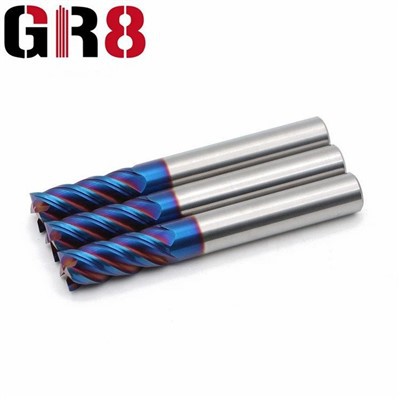
Tool run - out, a common yet often underestimated issue in machining operations, can have a profound impact on the performance and quality of solid carbide flat cutters. As a solid carbide flat cutter supplier, I have witnessed firsthand how run - out can affect both the tool and the machining results. In this blog, we will delve into what tool run - out is, its causes, and most importantly, its impact on solid carbide flat cutters.

What is Tool Run - Out?
Tool run - out refers to the deviation of the cutting edge of a tool from its ideal rotational axis. In an ideal situation, when a solid carbide flat cutter rotates, the cutting edge should follow a perfect circular path centered around the axis of rotation. However, in reality, due to various factors, the cutting edge may deviate from this path, resulting in run - out. This deviation can be either radial (perpendicular to the axis of rotation) or axial (parallel to the axis of rotation).

Causes of Tool Run - Out
There are several factors that can contribute to tool run - out. One of the primary causes is improper tool mounting. If the cutter is not correctly installed in the toolholder, it can lead to misalignment and run - out. For example, if there is dirt or debris between the tool shank and the toolholder, or if the clamping force is uneven, the cutter may not be held in the correct position, causing it to deviate from the ideal rotational axis.
Another common cause is the wear and tear of the toolholder. Over time, the toolholder may become worn, which can affect its ability to hold the cutter accurately. This can result in increased run - out. Additionally, manufacturing tolerances in both the tool and the toolholder can also contribute to run - out. Even small variations in the dimensions of these components can lead to significant deviations in the cutting edge's path during rotation.
Impact on Cutting Performance
The impact of tool run - out on the cutting performance of solid carbide flat cutters is substantial. Firstly, run - out can cause uneven cutting forces. When the cutting edge deviates from the ideal path, different parts of the cutter will experience different levels of cutting resistance. This uneven distribution of forces can lead to premature wear of the cutter. For instance, the part of the cutter that is subjected to higher cutting forces will wear out faster than the rest, reducing the overall lifespan of the tool.
Secondly, run - out can affect the surface finish of the workpiece. As the cutter rotates with run - out, it will create irregular cuts on the workpiece surface. This can result in a rough surface finish, which may not meet the required quality standards. In applications where a smooth surface finish is crucial, such as in the production of precision components or high - end consumer products, tool run - out can be a major problem.
Moreover, run - out can also lead to increased vibration during the cutting process. The uneven cutting forces caused by run - out can generate vibrations that can further exacerbate the wear of the cutter and the toolholder. These vibrations can also affect the stability of the machining process, reducing the accuracy of the cuts and potentially causing damage to the machine itself.
Impact on Tool Life
Tool life is a critical factor in machining operations, as it directly affects the cost and efficiency of production. Tool run - out has a significant negative impact on the life of solid carbide flat cutters. The uneven wear caused by run - out means that the cutter will need to be replaced more frequently. This not only increases the cost of tooling but also leads to downtime for tool changes, reducing the overall productivity of the machining process.
In addition, the increased vibration caused by run - out can also contribute to the premature failure of the cutter. The constant stress and strain on the cutter due to vibration can cause cracks to form in the carbide material, leading to sudden tool breakage. This can be particularly problematic in high - speed machining operations, where the consequences of tool breakage can be severe, including damage to the workpiece and the machine.
Impact on Machining Accuracy
Machining accuracy is essential in many industries, such as aerospace, automotive, and medical device manufacturing. Tool run - out can have a detrimental effect on machining accuracy. The deviation of the cutting edge from the ideal path means that the dimensions of the machined part may not be accurate. This can lead to parts that do not fit together properly or do not meet the required specifications.
For example, in the production of engine components, even a small deviation in the dimensions of a part can affect the performance and reliability of the engine. In the medical device industry, where precision is of utmost importance, tool run - out can result in parts that are not safe for use. Therefore, minimizing tool run - out is crucial for ensuring high - quality machining results.
Mitigating the Impact of Tool Run - Out
As a solid carbide flat cutter supplier, we understand the importance of minimizing tool run - out. There are several steps that can be taken to reduce run - out and its impact on the machining process. Firstly, proper tool mounting is essential. This includes ensuring that the tool shank and the toolholder are clean and free of debris, and that the clamping force is evenly distributed. Using high - quality toolholders with precise manufacturing tolerances can also help to reduce run - out.
Secondly, regular maintenance and inspection of the toolholder and the cutter are necessary. This can help to detect any signs of wear or damage early on and take appropriate measures to correct them. For example, if the toolholder is worn, it should be replaced to ensure accurate tool holding.
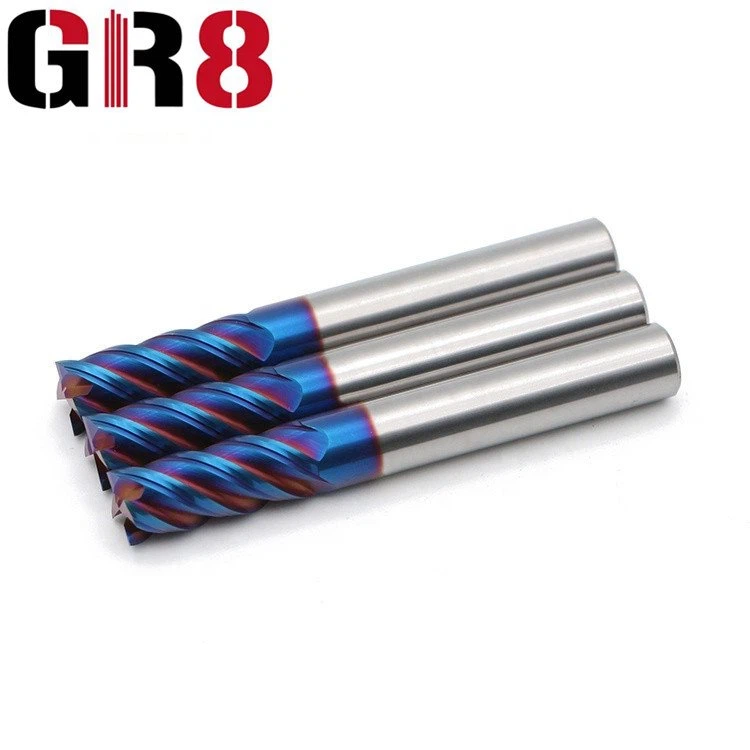
Finally, choosing the right solid carbide flat cutter for the specific machining application is crucial. Different cutters have different geometries and cutting edge designs, which can affect their performance and resistance to run - out. For example, our [Flooring & V Joint Set]( /flat - end - mill/flooring - v - joint - set.html) is designed to provide excellent cutting performance and minimize the impact of run - out in flooring and jointing applications. Our [65HRC 4 Flutes Flat End Mill]( /flat - end - mill/65hrc - 4 - flutes - flat - end - mill - 1.html) and [55HRC 4 Flutes Flat End Mill]( /flat - end - mill/55hrc - 4 - flutes - flat - end - mill.html) are suitable for a wide range of machining operations, offering high - precision cutting and long tool life.
Conclusion
Tool run - out is a significant issue that can have a profound impact on the performance, tool life, and machining accuracy of solid carbide flat cutters. As a solid carbide flat cutter supplier, we are committed to providing our customers with high - quality cutters and solutions to minimize the impact of run - out. By understanding the causes and effects of tool run - out and taking appropriate measures to mitigate it, manufacturers can improve the efficiency and quality of their machining operations.
If you are interested in learning more about our solid carbide flat cutters or have any questions regarding tool run - out, please feel free to contact us for procurement and further discussions. We look forward to working with you to achieve the best machining results.
References
- Smith, J. (2018). Machining Fundamentals. Industrial Press.
- Jones, R. (2019). Tooling Technology for Precision Machining. Wiley.
- Brown, A. (2020). Advances in Carbide Cutting Tools. Elsevier.