

What is the noise level when using a square end mill?
As a supplier of square end mills, I've received numerous inquiries regarding the noise level produced during their operation. Understanding the noise level is crucial for several reasons, including workplace safety, compliance with environmental regulations, and overall user experience. In this blog post, I'll delve into the factors that influence the noise level when using a square end mill, provide some general guidelines on noise levels, and discuss how to mitigate excessive noise.
Factors Influencing Noise Level
The noise level generated when using a square end mill can vary significantly depending on several factors. Here are some of the key factors that can affect the noise level:
- Cutting Parameters: The cutting speed, feed rate, and depth of cut are all important cutting parameters that can impact the noise level. Higher cutting speeds and feed rates generally result in increased noise levels, as the tool is working harder and generating more vibrations. Similarly, deeper cuts can also increase the noise level, as the tool has to remove more material per pass.
- Tool Geometry: The geometry of the square end mill, including the number of flutes, helix angle, and rake angle, can also affect the noise level. Tools with more flutes tend to produce less noise, as they distribute the cutting forces more evenly and reduce vibrations. A higher helix angle can also help to reduce noise by improving chip evacuation and reducing the likelihood of chip clogging.
- Workpiece Material: The type of workpiece material being machined can also have a significant impact on the noise level. Harder materials, such as stainless steel and titanium, generally require higher cutting forces and can generate more noise compared to softer materials, such as aluminum and brass. Additionally, materials with a high hardness or toughness can cause the tool to wear more quickly, which can also increase the noise level over time.
- Machine Condition: The condition of the milling machine itself can also affect the noise level. A poorly maintained machine with worn bearings, loose belts, or other mechanical issues can generate excessive vibrations and noise. Regular maintenance and servicing of the machine can help to ensure smooth operation and reduce noise levels.
- Cutting Environment: The cutting environment, including the presence of coolant, lubrication, and chip removal systems, can also impact the noise level. Coolant and lubrication can help to reduce friction and heat generation, which can in turn reduce noise levels. Additionally, effective chip removal systems can prevent chip clogging and reduce the likelihood of vibrations and noise.
General Guidelines on Noise Levels
While the exact noise level produced when using a square end mill can vary depending on the factors mentioned above, there are some general guidelines that can provide a rough estimate. In general, the noise level produced during milling operations can range from around 80 to 100 decibels (dB). However, it's important to note that these values are only approximate and can vary depending on the specific cutting conditions.
To put these noise levels into perspective, here are some common noise levels for comparison:
- Normal conversation: 60 dB
- City traffic: 80 dB
- Chainsaw: 100 dB
- Jet engine takeoff: 140 dB
Exposure to high noise levels for extended periods of time can cause hearing damage and other health problems. Therefore, it's important to take appropriate measures to protect yourself and others from excessive noise. This may include wearing hearing protection, such as earplugs or earmuffs, and implementing noise control measures, such as using sound barriers or enclosures.
Mitigating Excessive Noise
If you're experiencing excessive noise when using a square end mill, there are several steps you can take to mitigate the problem. Here are some tips to help reduce noise levels:

- Optimize Cutting Parameters: Adjusting the cutting speed, feed rate, and depth of cut can help to reduce the cutting forces and vibrations, which in turn can reduce the noise level. Experiment with different cutting parameters to find the optimal settings for your specific application.
- Choose the Right Tool: Selecting the right square end mill for the job can also help to reduce noise levels. Consider factors such as the number of flutes, helix angle, and rake angle when choosing a tool. Tools with more flutes and a higher helix angle tend to produce less noise.
- Maintain the Machine: Regular maintenance and servicing of the milling machine can help to ensure smooth operation and reduce noise levels. Check the machine for worn bearings, loose belts, and other mechanical issues, and replace any worn or damaged parts as needed.
- Use Coolant and Lubrication: Using coolant and lubrication can help to reduce friction and heat generation, which can in turn reduce noise levels. Make sure to use the appropriate coolant or lubricant for your specific application.
- Implement Noise Control Measures: If the noise level is still excessive, you may need to implement additional noise control measures, such as using sound barriers or enclosures. These can help to reduce the noise level in the workplace and protect workers from hearing damage.
Product Recommendations
As a square end mill supplier, I offer a wide range of high-quality tools that are designed to minimize noise levels and provide excellent performance. Here are some of our popular products:
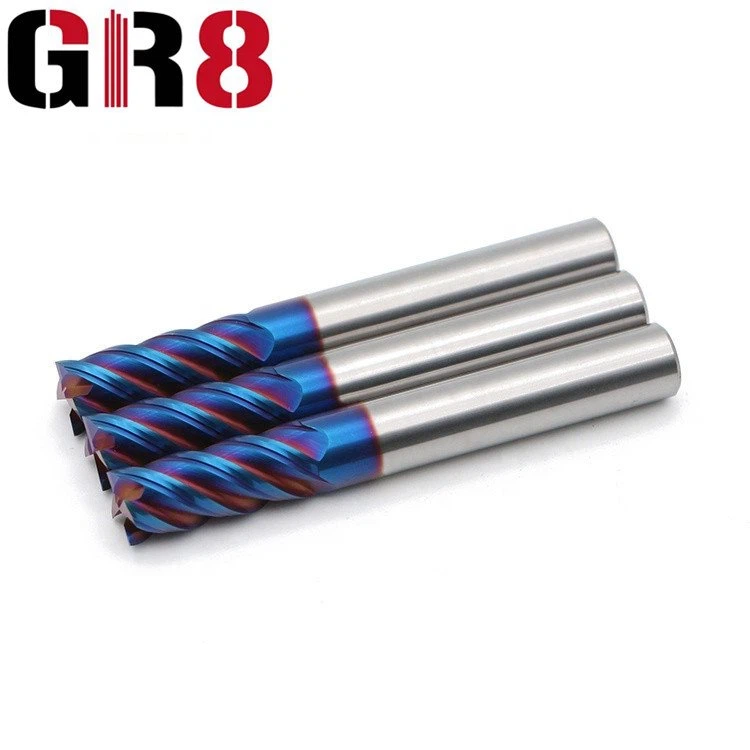
- 65HRC 4 Flutes Flat End Mill: This high-performance flat end mill is made from high-speed steel and features a 65HRC hardness rating. With four flutes and a high helix angle, it provides excellent chip evacuation and reduced noise levels.
- Door Frame Bit Set: Our door frame bit set is specifically designed for machining door frames and other woodworking applications. It includes a variety of bits with different diameters and profiles, allowing you to achieve precise and clean cuts with minimal noise.
- Other Handrail Bit: If you're working on handrail projects, our other handrail bit is a great choice. It features a unique design that allows for smooth and efficient cutting, reducing noise levels and improving productivity.
Conclusion
In conclusion, the noise level when using a square end mill can vary depending on several factors, including cutting parameters, tool geometry, workpiece material, machine condition, and cutting environment. By understanding these factors and taking appropriate measures to mitigate excessive noise, you can ensure a safe and comfortable working environment. If you have any questions or need further assistance with choosing the right square end mill for your application, please don't hesitate to contact us. We're here to help you find the best solutions for your machining needs.
References
- Smith, J. (2018). Machining Handbook. New York: McGraw-Hill.
- Jones, A. (2019). Cutting Tool Technology. London: Elsevier.
- Brown, R. (2020). Noise Control in the Workplace. Chicago: Wiley.


