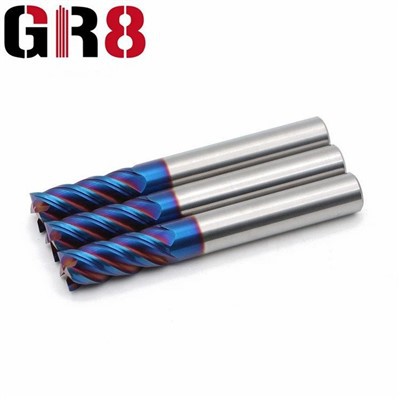
Accurately measuring the cutting diameter of a 2 Flutes Flat End Mill is crucial for ensuring the quality and precision of machining operations. As a supplier of 2 Flutes Flat End Mills, I understand the significance of this measurement and the impact it can have on the final product. In this blog post, I will share some methods and considerations for measuring the cutting diameter of a 2 Flutes Flat End Mill accurately.
Importance of Accurate Measurement
The cutting diameter of a 2 Flutes Flat End Mill directly affects the size and shape of the machined part. An inaccurate measurement can lead to parts that do not meet the required specifications, resulting in wasted materials, increased production costs, and potential quality issues. Therefore, it is essential to measure the cutting diameter accurately to ensure the consistency and accuracy of the machining process.
Tools for Measuring
There are several tools available for measuring the cutting diameter of a 2 Flutes Flat End Mill. The most common tools include:
- Micrometer: A micrometer is a precision measuring instrument that can measure the diameter of an object with high accuracy. It is commonly used in machining operations to measure the cutting diameter of end mills.
- Calipers: Calipers are another popular tool for measuring the cutting diameter of end mills. They are available in both digital and mechanical versions and can provide accurate measurements within a certain range.
- Optical Measuring Systems: Optical measuring systems use cameras and software to measure the cutting diameter of end mills. These systems can provide highly accurate measurements and are often used in quality control applications.
Measurement Methods
Once you have selected the appropriate tool for measuring the cutting diameter of a 2 Flutes Flat End Mill, you can follow these steps to ensure accurate measurements:


- Clean the End Mill: Before measuring the cutting diameter, it is important to clean the end mill to remove any debris or contaminants that may affect the measurement. Use a clean cloth or brush to wipe the end mill clean.
- Position the End Mill: Place the end mill in a stable position, such as a vise or a fixture, to ensure that it is held securely during the measurement process. Make sure that the end mill is aligned properly and that the cutting edges are facing up.
- Take the Measurement: Use the selected tool to measure the cutting diameter of the end mill. For a micrometer or calipers, place the measuring jaws around the cutting edge of the end mill and take the measurement. For an optical measuring system, follow the manufacturer's instructions to capture an image of the end mill and measure the cutting diameter using the software.
- Repeat the Measurement: To ensure accuracy, it is recommended to take multiple measurements at different points along the cutting edge of the end mill. This will help to identify any variations in the cutting diameter and ensure that the measurement is consistent.
- Record the Measurement: Once you have taken the measurements, record the results in a log or a spreadsheet. Make sure to include the date, time, and any other relevant information, such as the tool used for the measurement and the location of the measurement.
Considerations for Accurate Measurement
In addition to following the steps outlined above, there are several other considerations that can help to ensure accurate measurement of the cutting diameter of a 2 Flutes Flat End Mill:
- Tool Wear: Over time, the cutting edges of an end mill can wear down, which can affect the cutting diameter. It is important to regularly inspect the end mill for signs of wear and replace it when necessary to ensure accurate measurements.
- Temperature: Temperature can also affect the cutting diameter of an end mill. When the end mill is heated during the machining process, it can expand, which can increase the cutting diameter. It is important to allow the end mill to cool down to room temperature before taking the measurement to ensure accurate results.
- Measurement Environment: The environment in which the measurement is taken can also affect the accuracy of the measurement. It is recommended to take the measurement in a clean, dry, and stable environment to minimize the effects of vibration, dust, and other factors.
Conclusion
Accurately measuring the cutting diameter of a 2 Flutes Flat End Mill is essential for ensuring the quality and precision of machining operations. By following the steps outlined in this blog post and considering the factors discussed above, you can ensure that the measurement is accurate and consistent. As a supplier of 2 Flutes Flat End Mills, we are committed to providing our customers with high-quality products and accurate measurements. If you have any questions or need further assistance, please do not hesitate to contact us. We look forward to working with you to meet your machining needs.
References
- ASME B89.1.12-2009, "Methods for Performance Evaluation of Cylindrical Coordinate Measuring Machines and Systems"
- ISO 10360-2:2009, "Geometrical product specifications (GPS) - Acceptance and reverification tests for coordinate measuring machines (CMM) - Part 2: CMMs used for measuring linear dimensions"
- "Precision Measuring Tools: A Guide to Micrometers, Calipers, and More," by Industrial Press Inc.
If you are interested in purchasing high-quality Carbide End Mills, 55HRC 4 Flutes Flat End Mill, or 45HRC 4 Flutes Flat End Mill, please feel free to contact us for more information and to discuss your specific requirements. We are here to assist you in finding the right tools for your machining operations.