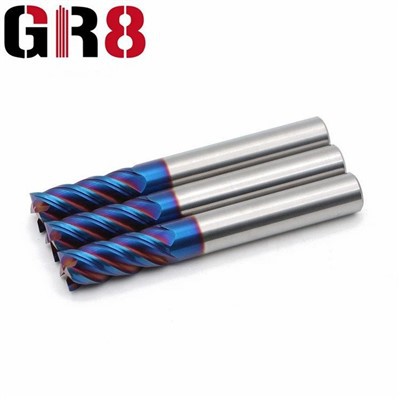
The helix angle is a critical parameter in the design of spiral flute bits, exerting a profound influence on their performance across various applications. As a seasoned supplier of spiral flute bits, I've witnessed firsthand how different helix angles can transform the functionality and efficiency of these cutting tools. In this blog, I'll delve into the effects of helix angle on spiral flute bits, exploring its implications for chip evacuation, cutting forces, surface finish, and more.
Chip Evacuation
One of the primary functions of the helix angle in spiral flute bits is to facilitate chip evacuation. When a bit cuts into a workpiece, chips are generated, and if they are not removed efficiently, they can clog the flutes, leading to poor cutting performance, increased tool wear, and even breakage. A higher helix angle promotes better chip evacuation by providing a more direct path for the chips to exit the cutting zone.

Imagine a One Spiral Flute Bits with a low helix angle. As it cuts, the chips may have a tendency to get trapped in the flutes, causing the bit to overheat and reducing its cutting efficiency. On the other hand, a bit with a high helix angle, say 45 degrees or more, allows the chips to be quickly and smoothly ejected from the flutes, keeping the cutting edge clean and reducing the risk of chip recutting. This is particularly important when machining materials that produce long, stringy chips, such as aluminum or some plastics.
Cutting Forces
The helix angle also has a significant impact on the cutting forces exerted during machining. A higher helix angle generally results in lower cutting forces because it allows the cutting edge to engage the workpiece more gradually. When the cutting edge enters the material at a more acute angle, it experiences less resistance, reducing the overall force required to make the cut.
This reduction in cutting forces has several benefits. First, it can extend the tool life of the spiral flute bit. Lower cutting forces mean less stress on the cutting edge, reducing the likelihood of chipping or breakage. Second, it can improve the accuracy of the machining process. With less force acting on the bit, there is less deflection, resulting in more precise cuts and better dimensional accuracy.
For example, in high-speed machining operations, where minimizing cutting forces is crucial, 2 Flutes Ball Nose Bits with high helix angles are often preferred. These bits can cut through the material more smoothly, allowing for faster feed rates and higher productivity without sacrificing quality.
Surface Finish
The surface finish of the machined part is another area where the helix angle plays a role. A higher helix angle can result in a better surface finish because it reduces the amount of vibration and chatter during cutting. Vibration and chatter can cause uneven cutting and leave marks on the surface of the workpiece, leading to a poor surface finish.
When a spiral flute bit with a high helix angle cuts into the material, it creates a smoother cutting action, minimizing the chances of vibration. This results in a more consistent surface finish, which is especially important in applications where aesthetics or precision are critical, such as in the production of molds or high-end consumer products.

However, it's important to note that the optimal helix angle for surface finish can vary depending on the material being machined and the specific machining conditions. For example, in some cases, a lower helix angle may be more suitable for achieving a fine surface finish in certain materials.
Material Compatibility
Different materials require different helix angles for optimal performance. For materials that are soft and gummy, such as plastics or some non-ferrous metals, a high helix angle is generally recommended. The high helix angle helps to break up the chips and evacuate them quickly, preventing them from sticking to the cutting edge.
On the other hand, for harder materials, such as steel or cast iron, a lower helix angle may be more appropriate. A lower helix angle provides more strength and rigidity to the cutting edge, allowing it to withstand the higher cutting forces generated when machining these materials.
For instance, 2 Flutes Flat Bits with a lower helix angle are often used for machining steel because they can better handle the tough cutting conditions. Conversely, for machining aluminum, bits with a high helix angle are preferred to ensure efficient chip evacuation and prevent chip welding.
Considerations for Different Applications
The choice of helix angle also depends on the specific application of the spiral flute bit. In general, for general-purpose machining, a helix angle in the range of 30 to 40 degrees is a good compromise. This angle provides a balance between chip evacuation, cutting forces, and surface finish.
In high-speed machining applications, where speed and productivity are paramount, a higher helix angle of 45 degrees or more may be preferred. This allows for faster feed rates and better chip evacuation, enabling the bit to cut through the material more quickly.
For precision machining operations, where accuracy and surface finish are critical, a lower helix angle may be used to minimize vibration and achieve a finer surface finish. Additionally, in deep-hole drilling applications, a high helix angle is often necessary to ensure efficient chip evacuation from the deep flutes.
Conclusion
In conclusion, the helix angle is a crucial factor that significantly affects the performance of spiral flute bits. It influences chip evacuation, cutting forces, surface finish, and material compatibility, making it essential to choose the right helix angle for each specific application.
As a supplier of spiral flute bits, I understand the importance of providing high-quality tools that meet the diverse needs of our customers. Whether you're looking for One Spiral Flute Bits, 2 Flutes Ball Nose Bits, or 2 Flutes Flat Bits, we have a wide range of options available with different helix angles to suit your requirements.
If you're interested in learning more about our spiral flute bits or need help selecting the right tool for your application, please don't hesitate to contact us. Our team of experts is always ready to assist you in making the best choice for your machining needs.
References
- Kalpakjian, S., & Schmid, S. R. (2009). Manufacturing Engineering and Technology. Pearson Prentice Hall.
- Boothroyd, G., & Knight, W. A. (2006). Fundamentals of Machining and Machine Tools. CRC Press.
- Groover, M. P. (2010). Fundamentals of Modern Manufacturing: Materials, Processes, and Systems. Wiley.