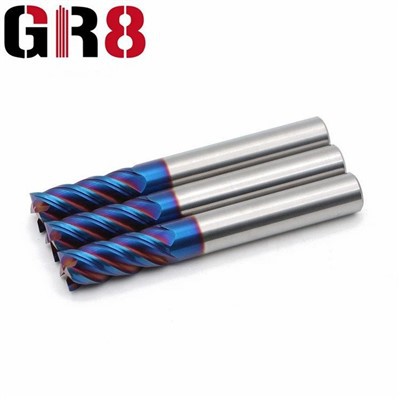
When it comes to the world of machining and cutting tools, spiral flute bits are indispensable. As a trusted supplier of spiral flute bits, I've witnessed firsthand the importance of choosing the right lubricant for these tools. In this blog post, I'll delve into the factors to consider when selecting a lubricant for spiral flute bits and recommend some suitable options.
Understanding the Role of Lubricants for Spiral Flute Bits
Spiral flute bits are designed to cut through various materials, including wood, metal, plastics, and composites. During the cutting process, friction is generated between the bit and the workpiece, which can lead to several issues. Heat is one of the primary concerns; excessive heat can cause the bit to wear out quickly, reduce its cutting performance, and even damage the workpiece. Additionally, friction can cause chips to stick to the bit, clogging the flutes and preventing efficient chip removal.
A lubricant serves several crucial functions in this context. Firstly, it reduces friction between the bit and the workpiece, thereby minimizing heat generation. This helps to extend the lifespan of the bit and maintain its cutting edge. Secondly, a good lubricant aids in chip evacuation. By preventing chips from adhering to the bit, it ensures that the cutting process remains smooth and efficient. Finally, lubricants can also protect the workpiece from damage, such as burns or scratches, that may occur due to excessive heat or friction.
Factors to Consider When Choosing a Lubricant
Material Compatibility
The type of material you're cutting plays a significant role in determining the appropriate lubricant. Different materials have different properties, and some lubricants may react with certain materials, causing damage or reducing the effectiveness of the cutting process.
- Wood: When cutting wood, water-based lubricants are often a good choice. They are environmentally friendly, easy to clean up, and can effectively reduce friction. Some woodworkers also prefer natural oils, such as mineral oil or beeswax, which can provide a smooth finish on the wood surface.
- Metal: Metal cutting requires lubricants that can withstand high temperatures and pressures. Cutting fluids, such as soluble oils, synthetic fluids, and semi-synthetic fluids, are commonly used for metal machining. These fluids offer excellent cooling and lubrication properties, and they can also prevent corrosion on the metal surface.
- Plastics and Composites: For plastics and composites, lubricants that are specifically formulated for these materials are recommended. These lubricants should be non-abrasive and non-reactive to avoid damaging the workpiece. Silicone-based lubricants are often a good option for plastics, as they can reduce friction without leaving a residue.
Cutting Conditions
The cutting conditions, such as the cutting speed, feed rate, and depth of cut, also influence the choice of lubricant. Higher cutting speeds and feed rates generate more heat and require lubricants with better cooling properties. Similarly, deeper cuts may require lubricants that can provide more lubrication to prevent excessive wear on the bit.
Environmental Considerations
In today's environmentally conscious world, it's important to consider the environmental impact of the lubricant. Water-based lubricants are generally more environmentally friendly than oil-based lubricants, as they are biodegradable and produce less waste. Additionally, some lubricants may contain harmful chemicals, such as heavy metals or volatile organic compounds (VOCs), which can pose a risk to human health and the environment. When choosing a lubricant, look for products that are labeled as environmentally friendly or compliant with relevant environmental standards.
Suitable Lubricants for Spiral Flute Bits
Water-Based Lubricants
Water-based lubricants are a popular choice for many applications, especially for cutting wood and some plastics. They are easy to use, clean up, and are generally less expensive than oil-based lubricants. Water-based lubricants work by forming a thin film on the cutting surface, which reduces friction and heat generation.
One of the advantages of water-based lubricants is their ability to cool the cutting tool effectively. As water evaporates, it takes away heat from the cutting zone, preventing the bit from overheating. Additionally, water-based lubricants can help to flush away chips, keeping the flutes clean and allowing for efficient chip evacuation.
Cutting Fluids
Cutting fluids are commonly used for metal machining. They are available in different types, including soluble oils, synthetic fluids, and semi-synthetic fluids.
- Soluble Oils: Soluble oils are a mixture of mineral oil, emulsifiers, and additives. They are diluted with water before use, forming an emulsion. Soluble oils offer good lubrication and cooling properties, and they are suitable for a wide range of metal cutting operations.
- Synthetic Fluids: Synthetic fluids are made from chemical compounds and do not contain any mineral oil. They offer excellent cooling and lubrication properties, and they are often more resistant to bacteria and fungi than soluble oils. Synthetic fluids are also suitable for high-speed cutting operations and can provide a better surface finish on the workpiece.
- Semi-Synthetic Fluids: Semi-synthetic fluids combine the advantages of soluble oils and synthetic fluids. They contain a combination of mineral oil and synthetic components, offering good lubrication, cooling, and anti-corrosion properties.
Dry Lubricants
Dry lubricants, such as graphite and molybdenum disulfide, are also used in some applications. These lubricants are in powder form and are applied directly to the cutting surface. Dry lubricants work by reducing friction between the bit and the workpiece without the need for a liquid carrier.
One of the advantages of dry lubricants is their ability to work in high-temperature environments. They do not evaporate or break down easily, making them suitable for applications where traditional lubricants may not be effective. Dry lubricants are also clean and do not leave a residue, which can be beneficial in some manufacturing processes.
Recommended Lubricants for Different Types of Spiral Flute Bits
2 Flutes Ball Nose Bits
2 Flutes Ball Nose Bits are commonly used for contouring and 3D machining. When using these bits, a lubricant that can provide good lubrication and cooling is essential. For cutting wood, a water-based lubricant or a natural oil can be used. For metal cutting, a synthetic or semi-synthetic cutting fluid is recommended.


One Spiral Flute Bits
One Spiral Flute Bits are often used for roughing operations and can generate a lot of heat. A lubricant with excellent cooling properties is necessary to prevent the bit from overheating. For metal cutting, a soluble oil or a synthetic cutting fluid is a good choice. For wood and plastics, a water-based lubricant can be used.
2 Flutes Flat Bits
2 Flutes Flat Bits are used for a variety of cutting operations, including slotting and profiling. The choice of lubricant depends on the material being cut. For wood, a water-based lubricant or a natural oil is suitable. For metal, a cutting fluid that can provide good lubrication and anti-corrosion properties is recommended.
Conclusion
Choosing the right lubricant for spiral flute bits is crucial for ensuring optimal cutting performance, extending the lifespan of the bits, and protecting the workpiece. By considering factors such as material compatibility, cutting conditions, and environmental impact, you can select a lubricant that meets your specific needs.
As a supplier of spiral flute bits, I'm committed to providing high-quality products and valuable information to our customers. If you have any questions about spiral flute bits or lubricants, or if you're interested in purchasing our products, please don't hesitate to contact us. We look forward to discussing your requirements and helping you find the best solutions for your machining needs.
References
- "Machining Fundamentals" by John T. Black
- "Cutting Tool Technology" by Paul D. Koenigsberger and A. K. Sabberwal
- "Handbook of Lubrication and Tribology" edited by Bhushan Bharat